Business Insights for Better Team Strategy
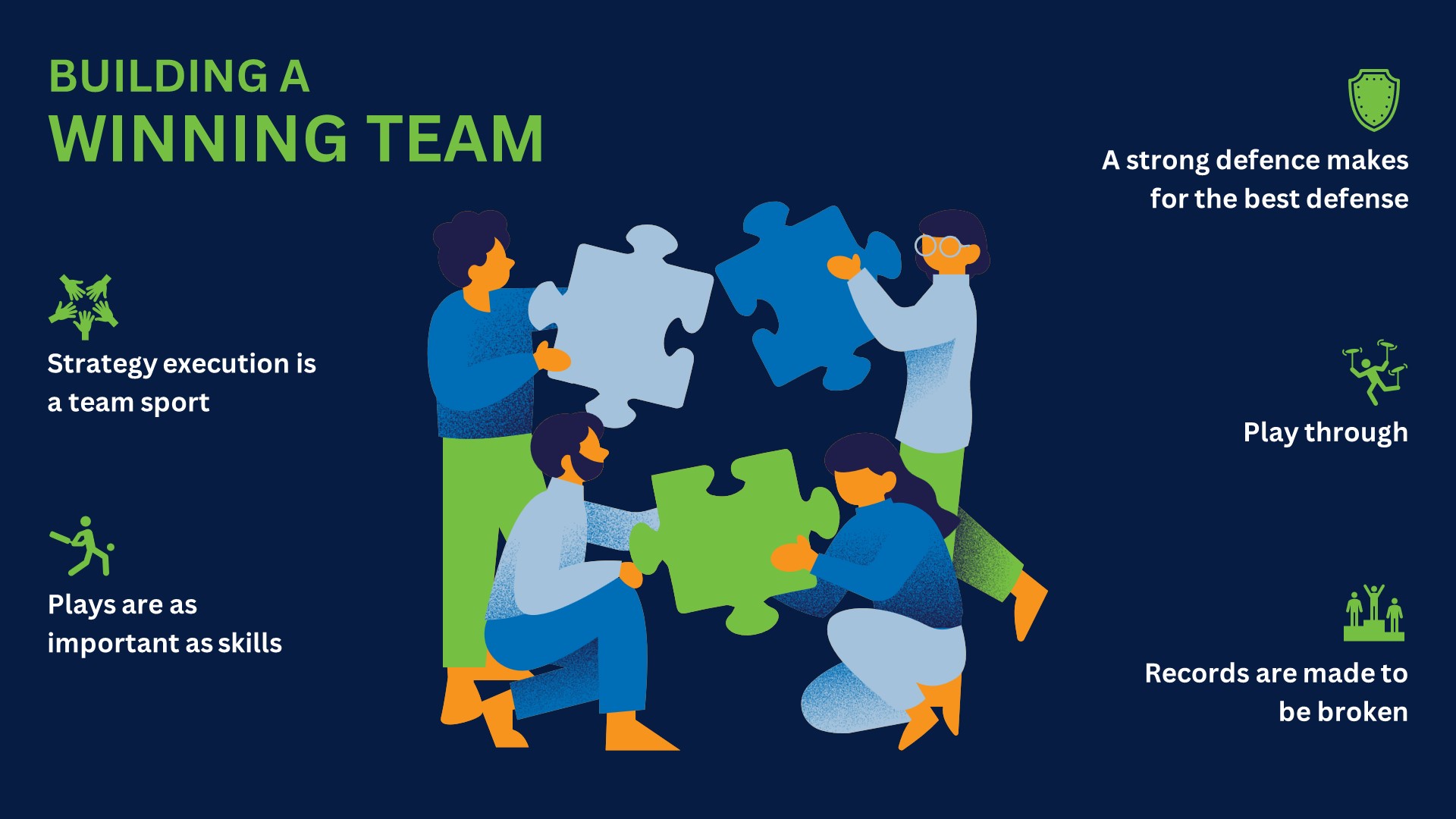
Effective team management is the cornerstone of successful organizations. Leaders who understand how to align objectives, optimize collaboration, and harness individual strengths can achieve extraordinary results. Applying team strategy insights allows businesses to build cohesive units that are not only productive but also innovative and resilient in the face of challenges.
Understanding Team Dynamics
Every team has unique dynamics influenced by personalities, skill sets, and communication styles. Recognizing these differences is the first step toward effective management. Observing interactions, identifying potential friction points, and leveraging complementary strengths can foster a more collaborative and harmonious environment.
Defining Clear Goals and Roles
Ambiguity in objectives or responsibilities often leads to confusion and inefficiency. Clearly defining goals, roles, and expectations ensures that every team member understands their contributions to the bigger picture. Establishing structured workflows, prioritizing tasks effectively, and reducing overlaps or gaps in responsibility creates a framework for accountability and high performance.
Enhancing Communication Channels
Transparent communication is vital for operational success. Teams thrive when information flows freely, feedback is constructive, and updates are consistent. Utilizing multiple communication channels, holding regular check-ins, and encouraging open dialogue minimizes misunderstandings, strengthens relationships, and aligns everyone toward shared objectives.
Fostering Collaboration and Innovation
Collaboration extends beyond simply working together; it involves synergizing ideas to achieve innovative outcomes. Encouraging cross-functional projects and brainstorming sessions allows team members to contribute diverse perspectives. Creating an environment where creativity is valued, experimentation is encouraged, and novel solutions emerge naturally enhances team innovation.
Leveraging Individual Strengths
Recognizing the unique abilities of each team member is essential for maximizing output. Delegating tasks according to expertise ensures efficiency and enhances job satisfaction. Conducting skill assessments, implementing personalized development plans, and assigning tasks strategically optimize performance while nurturing talent and fostering loyalty within the organization.
Implementing Performance Metrics
Measuring team performance provides visibility into effectiveness and areas requiring improvement. Establishing key performance indicators (KPIs) related to productivity, collaboration, and project milestones enables data-driven decision-making. Monitoring progress, adjusting strategies proactively, and maintaining alignment with organizational goals ensures continuous improvement and sustainable growth.
Building a Positive Team Culture
Culture influences morale, engagement, and overall success. Teams with a supportive, inclusive, and motivated environment perform better under pressure. Recognizing achievements, promoting fairness, and encouraging professional growth inspire commitment and resilience, making the team adaptable to both challenges and opportunities.
Conflict Resolution and Problem Solving
Conflict is inevitable in any group, but managing it effectively can strengthen relationships rather than weaken them. Addressing disagreements promptly, facilitating constructive discussions, and finding mutually satisfactory solutions maintains focus on shared objectives and reinforces mutual respect among team members.
Continuous Learning and Development
Investing in training and skill enhancement ensures that teams remain competitive and adaptable. Encouraging ongoing learning opportunities through workshops, mentoring, or cross-training enhances capability and confidence. Fostering a growth-oriented mindset motivates team members to innovate, improve, and embrace new challenges.
Aligning Strategy with Organizational Vision
A team’s effectiveness is amplified when its strategy aligns seamlessly with broader organizational objectives. Strategic alignment ensures that every project, initiative, and action contributes meaningfully to the company’s goals. Harmonizing team priorities with corporate strategy optimizes resource allocation and reinforces the importance of collective effort in achieving long-term success.
Effective team management is an ongoing journey that requires vigilance, adaptability, and strategic foresight. Organizations that implement these practices can transform their workforce into a highly functional, innovative, and resilient unit, capable of meeting ambitious goals and navigating the complexities of modern business landscapes.


![Unveiling the Hidden Trends: A Data-Driven Analysis of [Industry Name]'s Future](https://images.unsplash.com/photo-1588011930968-eadac80e6a5a?crop=entropy&cs=tinysrgb&fit=max&fm=jpg&ixid=M3wxMDE4OTg5fDB8MXxzZWFyY2h8NDAyfHxJbmR1c3RyeSUyMEFuYWx5c2lzfGVufDB8fHx8MTc4ODMyNTcyMHww&ixlib=rb-4.1.0&q=80&w=1080 "Unveiling the Hidden Trends: A Data-Driven Analysis of [Industry Name]'s Future")