Finance Guides to Navigate Market Changes
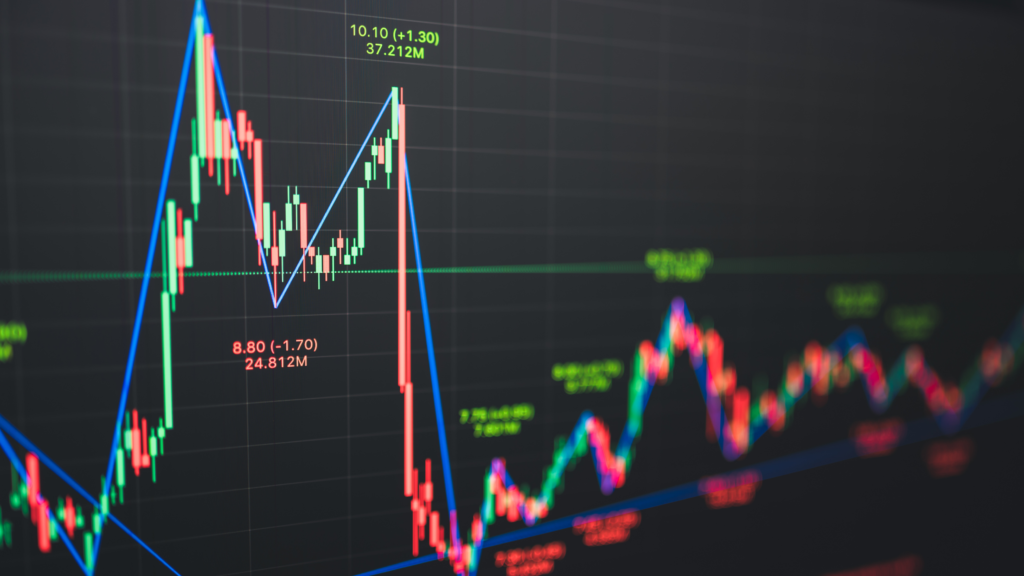
Understanding how to interpret fluctuating financial conditions is vital for anyone striving to maintain stability in uncertain environments. Early clarity helps cultivate resilience, especially when economic patterns shift unexpectedly. Individuals aiming for better adaptability often turn to structured insights that simplify complex financial behavior. This is where strong finance guides become indispensable, particularly for those seeking market change navigation with greater confidence.
Recognizing the Nature of Market Shifts
Market movements are influenced by a vast combination of factors. Interest rate revisions, global political developments, and corporate performance cycles can all generate noticeable turbulence. Some shifts occur abruptly. Others unfold gradually, almost imperceptibly, until their impact becomes sizable.
Understanding these dynamics requires vigilance. Even novice investors benefit from observing seasonal trends, sector specific reactions, and consumer sentiment changes. This awareness functions as a protective buffer. It keeps individuals from reacting impulsively to volatility and encourages strategic thinking.
Strengthening Your Analytical Foundation
Every investor should develop a fundamental analytical toolkit. It does not need to be intricate, but it must be reliable. Start with basic financial indicators. Study price to earnings ratios, inflation trajectories, and liquidity metrics. These core elements serve as a compass when broader markets feel disorienting.
Longer reports, such as economic forecasts or corporate disclosures, also provide valuable signals. They help decode momentum shifts that might not be immediately visible from daily price charts. Digging deeper into these materials nurtures a more discerning mindset. Over time, this habit reduces uncertainty and fosters judgment based on evidence rather than assumption.
Diversification as a Stabilizing Force
Constructing a well balanced portfolio is essential during unpredictable cycles. Diversification distributes risk across various assets, reducing exposure to any single failing sector. Equities, bonds, cash equivalents, and alternative assets each respond differently to market catalysts.
When combined thoughtfully, these components create a structure that withstands turbulence more effectively. Diversification does not eliminate risk. Instead, it reshapes it into a more manageable form. This approach is valued by both new and experienced investors because it encourages steady progress regardless of external pressures.
Evaluating Risk with Greater Precision
Risk evaluation is not simply about labeling investments as safe or hazardous. It involves understanding how each asset behaves under different conditions. Some instruments thrive in expansionary periods. Others perform better during contractions. Studying these patterns gives investors the ability to anticipate potential outcomes.
Momentum indicators, volatility indexes, and asset correlation studies contribute to a fuller risk profile. Using these tools enhances decision making. It allows individuals to allocate their resources in a manner aligned with their goals and tolerance levels. Accurate evaluation transforms ambiguity into insight.
Applying Strategic Flexibility
Rigid financial strategies rarely succeed during fluctuating markets. Conditions evolve quickly, and a static approach may become outdated before it is fully implemented. Flexibility, however, fosters resilience. Investors who regularly revisit their plans remain prepared for abrupt variations.
Small adjustments can make significant differences. Rebalancing a portfolio, altering contribution schedules, or shifting focus from short term targets to long term stability can all enhance performance. Flexibility is not about constant change. It is about being receptive to new information and adjusting when necessary.
Using Research to Anticipate Turning Points
Comprehensive research acts as a predictive lens. Although no method guarantees complete accuracy, diligent analysis often reveals early hints of transformation. These clues might appear in earnings reports, macroeconomic updates, or emerging technological advancements.
Recognizing these signals empowers individuals to position themselves advantageously before larger shifts occur. This proactive stance strengthens financial preparedness. It also fosters confidence, even when market conditions appear disorderly.
Strengthening Long Term Vision
Short term noise can easily distract inexperienced investors. However, maintaining a broader perspective promotes clarity. Long term strategies absorb the irregularities that occur on a weekly or monthly basis. They prioritize steady growth over time instead of rapid gains that may not be sustainable.
Long term vision also encourages disciplined behavior. It reduces the temptation to chase trends or make decisions influenced by temporary excitement. Over time, this grounded approach creates a more stable financial path.
Monitoring Personal Financial Ecosystems
External markets are only part of the equation. Each individual has a personal financial ecosystem shaped by income, expenses, savings, and goals. Understanding this internal structure enables better alignment with broader market behavior.
Reviewing personal financial statements, assessing cash reserves, and revisiting future objectives ensures that decisions remain relevant. This harmonized approach strengthens overall stability. It also prevents misaligned actions that may compromise long term intentions.
Cultivating Knowledge as a Lifelong Habit
Financial literacy evolves continuously. Market environments shift, new instruments emerge, and regulatory frameworks adjust. Staying informed transforms complexity into familiarity. Learning gradually builds competence. Competence leads to stronger decision making.
Consistent study, whether through journals, market reports, or expert commentary, expands perspective. It ensures that individuals remain well positioned in both calm and turbulent conditions.