Market Trends Every Trader Should Track
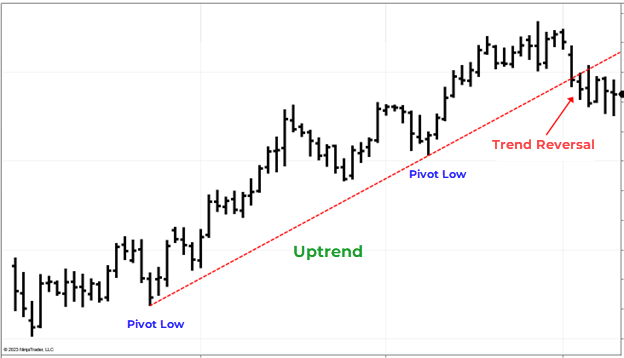
In a landscape defined by volatility and rapid evolution, effective trader market tracking is essential for navigating financial markets with precision. Understanding the patterns that drive asset valuation, liquidity, and market sentiment can mean the difference between strategic gains and avoidable losses. From technological disruption to macroeconomic indicators, the trends that shape global markets are multifaceted and interconnected. How can traders identify which signals warrant attention, and what mechanisms enhance predictive insight in an environment of constant flux?
Technological Disruption and Algorithmic Influence
Technology continues to redefine trading landscapes. Algorithmic trading, high-frequency systems, and AI-driven predictive models have introduced unprecedented speed and efficiency into financial transactions. Traders are now required to monitor not only price fluctuations but also technological adoption rates, latency variations, and platform innovations. Blockchain-based assets and decentralized finance are further complicating the traditional hierarchies of market influence. The intersection of technology and finance demands rigorous analysis and agile adaptation for effective trader market tracking.
Macroeconomic Indicators and Policy Shifts
Global economic conditions exert profound influence over market trajectories. Interest rate adjustments, inflationary pressures, and central bank policies provide early signals of potential asset appreciation or depreciation. Political developments, trade agreements, and fiscal reforms also contribute to market volatility. Traders who integrate macroeconomic intelligence into their analytical frameworks gain a strategic vantage point. Anticipating regulatory impacts and policy-induced market reactions is a cornerstone of refined market tracking methodology.
Commodities and Sector Rotation
Commodities continue to serve as a bellwether for broader economic trends. Energy, metals, and agricultural products often reflect supply-demand dynamics that ripple through equities and derivatives. Sector rotation shifts in capital allocation between industries based on economic cycles requires vigilance in observation and analysis. Traders monitor these patterns to identify potential arbitrage opportunities and adjust portfolios in alignment with evolving market conditions. Comprehensive trader market tracking encompasses these sectoral and commodity signals to maintain situational awareness.
Behavioral Analytics and Sentiment Trends
Market psychology is increasingly central to informed trading decisions. Investor sentiment, herd behavior, and speculative pressures create conditions that deviate from fundamental valuations. Social media analytics, sentiment indices, and alternative data sources provide insights into market mood and potential inflection points. Understanding cognitive biases and behavioral patterns allows traders to anticipate short-term disruptions and exploit inefficiencies. Behavioral analysis complements quantitative modeling, yielding a multidimensional perspective on market dynamics.
Global Interconnectivity and Cross-Border Capital Flows
The globalization of finance has intensified the interconnectedness of markets. Capital movements, currency fluctuations, and international geopolitical events influence asset prices across borders. Traders must monitor global liquidity trends, emerging market stability, and cross-market correlations to fully comprehend potential exposures. Real-time analysis of foreign policy decisions, commodity dependencies, and macroeconomic divergences enhances predictive capability and informs tactical positioning. Effective trader market tracking requires a global lens that integrates multiple layers of economic and political influence.
Regulatory Evolution and Compliance Implications
Financial regulation continues to evolve, shaping market structures and operational constraints. Compliance requirements, reporting obligations, and new market frameworks can significantly impact liquidity and trading strategies. Understanding regulatory trends enables traders to anticipate shifts in market accessibility, transaction costs, and permissible instruments. This foresight is critical for navigating both conventional exchanges and emerging trading platforms, ensuring alignment with legal mandates while optimizing strategic advantage.
Emerging Asset Classes and Innovation Hubs
Innovation drives the creation of new asset classes, from cryptocurrencies and tokenized equities to environmental credits and alternative investment vehicles. Traders must evaluate these opportunities with a discerning lens, considering both potential yield and systemic risk. Innovation hubs, incubators, and fintech ecosystems serve as early indicators of emerging market trends. By integrating these signals into a comprehensive monitoring framework, traders can identify nascent opportunities and adjust exposure in anticipation of market adoption.
Risk Management and Scenario Analysis
Sophisticated trader market tracking incorporates proactive risk management. Scenario analysis, stress testing, and portfolio diversification are essential tools for mitigating the impact of unexpected volatility. Market shocks, geopolitical crises, and sudden liquidity disruptions necessitate adaptive frameworks that prioritize both capital preservation and opportunistic positioning. Integrating predictive modeling with contingency planning ensures that decision-making remains robust under fluctuating conditions.
Quantitative and Qualitative Integration
Successful market tracking blends quantitative rigor with qualitative assessment. Statistical models, technical indicators, and historical trend analysis must be balanced with insights drawn from geopolitical developments, corporate governance evaluations, and consumer behavior shifts. Traders who harmonize numerical data with contextual intelligence are positioned to navigate complex market environments with greater precision. This integrative approach underscores the multifaceted nature of effective trader market tracking.
By synthesizing technological, economic, behavioral, regulatory, and global signals, traders gain a holistic understanding of the forces shaping financial markets. The capacity to anticipate trends, interpret patterns, and adjust strategies in real time remains central to successful trading in an ever-evolving landscape.