Market Trends Influencing Inflation Moves
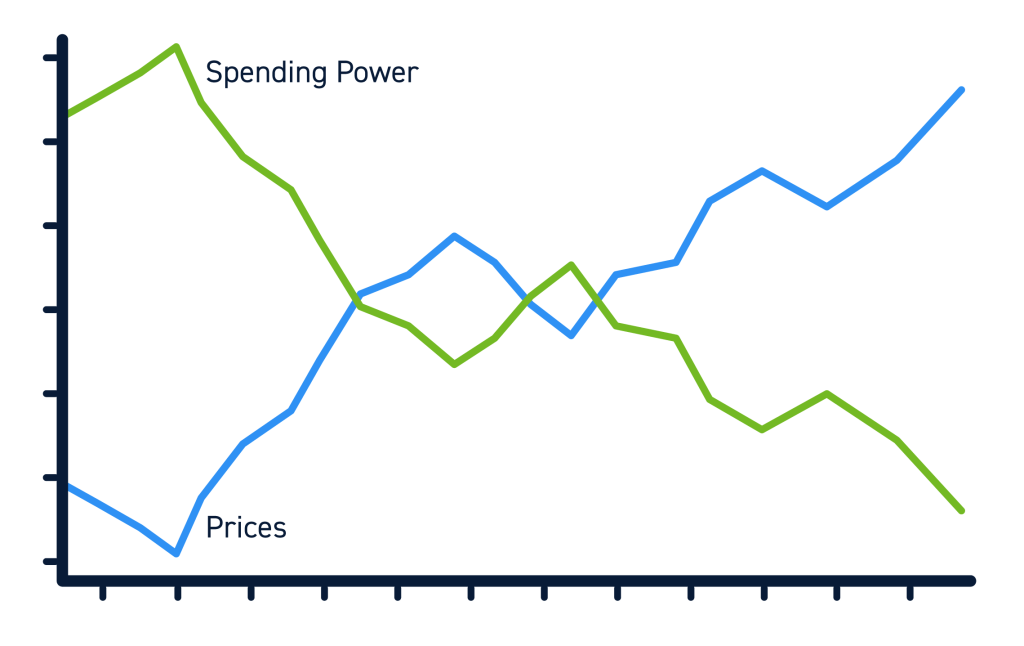
Monitoring inflation impact trends is essential for investors, policymakers, and businesses seeking to anticipate shifts in purchasing power, asset valuations, and economic stability. Inflation is rarely a singular phenomenon; it arises from the interplay of monetary policy, consumer demand, supply constraints, and global economic dynamics. Understanding the subtle indicators that presage inflationary pressures enables stakeholders to adjust strategies proactively, mitigating risk while capitalizing on opportunities that emerge in transitional market environments.
Commodity Prices and Supply Chain Pressures
Rising commodity costs often signal early inflationary pressures. Energy prices, agricultural outputs, and industrial metals exert outsized influence on consumer and producer costs. Disruptions in supply chains, whether due to geopolitical tensions, natural disasters, or logistical bottlenecks, amplify these pressures. Price volatility in commodities reverberates through manufacturing, transportation, and retail sectors, shaping overall inflation trends. Traders and analysts closely monitor these dynamics to anticipate downstream effects on pricing indices and consumer expenditure.
Labor Market Dynamics and Wage Growth
Labor market conditions play a critical role in shaping inflation moves. Tight labor markets, rising wage demands, and skills shortages can elevate production costs and, consequently, consumer prices. Conversely, high unemployment or underemployment may suppress wage growth, tempering inflationary pressures. Monitoring wage indices, productivity metrics, and labor participation rates provides insight into potential cost-push inflation. Wage acceleration in key sectors, particularly services and manufacturing, often serves as a harbinger of broader inflationary trends.
Monetary Policy and Interest Rate Adjustments
Central bank policies directly influence inflation trajectories. Interest rate changes, quantitative easing, and liquidity injections affect borrowing costs, consumer spending, and investment flows. Expansionary monetary policies can stimulate demand, potentially intensifying inflation, whereas contractionary measures often cool economic activity. Market participants analyze central bank communications, meeting minutes, and policy forecasts to interpret the potential impacts on pricing dynamics. Inflation impact trends frequently correlate with shifts in monetary policy and market expectations of interest rate movements.
Consumer Behavior and Spending Patterns
Consumer sentiment and purchasing patterns shape the velocity of inflationary pressure. Increased demand for goods and services, especially in supply-constrained markets, can drive price escalation. Shifts toward premium products, sustainable alternatives, or technology-driven consumption may also influence aggregate price levels. Analysts examine retail sales data, e-commerce trends, and discretionary spending to gauge potential inflationary outcomes. Consumer behavior, when combined with supply-side constraints, forms a critical component of evolving inflation impact trends.
Global Trade and Geopolitical Influences
International trade dynamics contribute significantly to inflationary pressures. Tariffs, trade sanctions, currency fluctuations, and global commodity demand influence domestic price levels. Geopolitical instability in key exporting regions can disrupt supply chains, induce scarcity, and heighten inflation risk. Monitoring trade balances, import-export statistics, and geopolitical developments enables a forward-looking understanding of how global conditions affect domestic inflation. These interactions underscore the interconnectivity of local and global inflationary factors.
Technological Innovation and Productivity Gains
Technological advancements can moderate or amplify inflationary pressures. Automation, AI integration, and process optimization may reduce production costs, counteracting inflation in some sectors. Conversely, rapid adoption of high-cost technologies or infrastructure upgrades can introduce temporary price surges. Tracking investment flows into innovative industries, patent registrations, and productivity metrics helps interpret the nuanced role of technology in shaping inflation moves. This duality reflects the complex interplay between cost reduction and investment-driven price adjustments.
Fiscal Policy and Government Spending
Government expenditure and fiscal stimulus measures directly influence aggregate demand, affecting inflationary trends. Large-scale infrastructure projects, subsidies, or transfer payments can inject liquidity into the economy, elevating consumer purchasing power and pushing prices upward. Conversely, austerity measures or reduced public spending may dampen inflation. Analysts assess budget allocations, deficit levels, and policy announcements to predict how fiscal actions contribute to evolving inflation impact trends. Timing and scale of government interventions often dictate the velocity and intensity of inflationary effects.
Market Expectations and Financial Instruments
Market sentiment and financial instruments offer forward-looking insight into inflation expectations. Bond yields, inflation-linked securities, and futures contracts reflect investor anticipation of price changes. Sudden shifts in these indicators often precede observable price adjustments in goods and services. Monitoring derivative markets, investor positioning, and risk premiums provides additional granularity for understanding emerging inflationary pressures. These financial signals complement economic data, forming a multidimensional perspective on inflation impact trends.
Understanding the convergence of commodity volatility, labor dynamics, monetary and fiscal policies, consumer behavior, global trade, technological adoption, and market expectations is essential for anticipating inflationary movements. These trends inform strategic decisions, from investment allocation to pricing strategies, highlighting the complex, interconnected nature of modern inflation dynamics.