Mastering Money: Creative Strategies to Grow and Protect Your Wealth
Introduction & Background
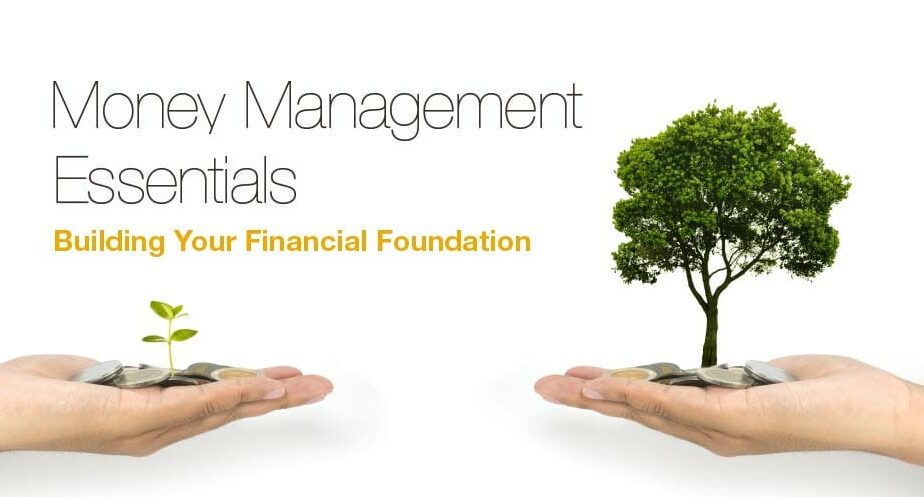
Money shapes modern life in ways both obvious and subtle. From daily choices to long-term plans, how we earn, save, and invest determines our freedom, security, and legacy. Yet many people feel overwhelmed by financial decisions, unsure of where to start or how to protect what they’ve built. The gap between knowledge and action often widens with misinformation, emotional spending, and outdated habits. Whether you’re building wealth from scratch or refining an existing portfolio, mastering money requires more than discipline. It demands creativity, adaptability, and a willingness to explore strategies beyond traditional banking.
Today’s financial landscape offers unprecedented opportunities. Technology has democratized investing, alternative assets have gained legitimacy, and global markets are more accessible than ever. At the same time, economic uncertainty, inflation, and geopolitical shifts create new risks. The challenge isn’t just growing wealth, but safeguarding it against unseen threats. This article explores creative approaches to expand your financial horizons while fortifying your assets. By blending innovation with timeless principles, you can craft a personalized money master plan that evolves with your life.
Concept & Overview
Wealth mastery goes beyond saving a portion of your paycheck or avoiding debt. It involves intentional design: aligning resources with values, leveraging compounding forces, and anticipating disruptions. At its core, this process requires three pillars. First is growth, using strategies that multiply capital over time. Second is protection, minimizing losses from taxes, inflation, or poor decisions. Third is flexibility, ensuring your financial system adapts to changing goals or circumstances.
The mindset shift begins with viewing money as a tool rather than a scorecard. Instead of chasing quick gains or copying others’ portfolios, focus on sustainability. Diversification remains essential, but modern portfolios now include assets like real estate crowdfunding, peer-to-peer lending, or even digital currencies. Meanwhile, protection strategies have evolved from simple savings accounts to tax-efficient trusts and smart insurance structures. The key is balancing risk with reward while staying aligned with your personal timeline and risk tolerance.
Key Features & Highlights
- Dynamic Diversification: Spread investments across stocks, bonds, real estate, and alternative assets to reduce volatility. Consider global exposure to hedge against local economic downturns.
- Tax Optimization: Use retirement accounts, deductions, and legal structures to minimize liabilities. Strategies like Roth conversions or charitable giving can enhance after-tax returns.
- Automated Cash Flow: Set up systems that direct income toward savings and investments before lifestyle expenses. Apps and tools now make it effortless to automate transfers and bill payments.
- Inflation Resilience: Allocate portions of your portfolio to assets that historically outpace inflation, such as equities, commodities, or TIPS (Treasury Inflation-Protected Securities).
- Debt Restructuring: Replace high-interest liabilities with low-cost alternatives, like refinancing mortgages or consolidating student loans. Use debt strategically to accelerate wealth-building.
- Passive Income Streams: Build revenue sources that require minimal ongoing effort, such as dividend stocks, rental properties, or digital products. These create financial padding during economic slowdowns.
- Emergency Preparedness: Maintain liquid reserves covering three to twelve months of expenses. Keep this fund in accessible, low-risk instruments like high-yield savings or money market accounts.
- Legacy Planning: Document your wishes for assets, healthcare, and dependents. Use wills, trusts, and beneficiary designations to avoid probate and ensure your values guide wealth transfer.
Frequently Asked Questions / Pros & Cons
What is the safest way to start investing with a small budget?
Begin with low-cost index funds or ETFs that track broad market indices. These offer instant diversification and historically strong long-term returns. Many platforms allow investments as little as one dollar. Avoid stock-picking until you’ve built a solid foundation and understanding.
Pros: Accessibility, simplicity, and professional management without high fees.
Cons: Limited customization and exposure to overall market fluctuations.
How can I protect my money from inflation without taking huge risks?
Prioritize assets that historically rise with inflation, such as real estate, commodities, and inflation-protected securities. Consider TIPS or I-Bonds issued by the U.S. Treasury. Keep a portion of your portfolio in equities, which tend to outpace inflation over the long term. Avoid locking funds into low-yield instruments like traditional savings accounts.
Pros: Preserves purchasing power with relatively low risk.
Cons: Requires periodic rebalancing and may underperform in deflationary environments.
Are side hustles worth the effort for long-term wealth?
Side hustles can accelerate savings and provide diversification. However, evaluate the time commitment versus financial return. Focus on scalable activities aligned with your skills, such as freelancing, tutoring, or digital content creation. Reinvest early profits to compound growth rather than treating side income as pure spending money.
Pros: Additional income stream, skill development, and potential tax advantages.
Cons: Time-intensive, may blur work-life boundaries, and requires consistent effort to sustain.
What mistakes do most people make when trying to grow wealth?
Common pitfalls include chasing trends without research, ignoring fees in investment products, and failing to set clear goals. Emotional decisions during market volatility often lead to poor timing. Another frequent error is neglecting emergency funds, leaving individuals vulnerable to debt cycles. Finally, many overlook tax efficiency, leaving money on the table annually.
Practical Guidance & Solutions
Transforming theory into action starts with a personal audit. List your current assets, liabilities, income, and expenses. Identify leaks, subscriptions, fees, or impulse purchases, and redirect those funds toward goals. Next, define your timeline and risk tolerance. A young professional saving for retirement can afford aggressive growth strategies, while someone nearing retirement may prioritize stability.
Begin with automation. Set up direct deposits into savings and investment accounts on payday. Use apps that round purchases to the nearest dollar and invest the difference. For tax optimization, max out retirement contributions and consult a tax advisor for deductions you might be missing. If debt is a burden, create a repayment plan using the avalanche method (highest interest first) or snowball method (smallest balances first) based on your motivation style.
Explore alternative investments cautiously. Real estate crowdfunding platforms allow fractional ownership with lower capital requirements. Peer-to-peer lending can yield higher returns than savings accounts but carries default risks. Digital assets like Bitcoin may offer growth potential but require deep research and risk management. Always allocate only what you can afford to lose in speculative ventures.
Protect your progress with insurance tailored to your needs. Term life insurance is cost-effective for young families, while umbrella policies provide liability coverage beyond home or auto insurance. Health savings accounts (HSAs) offer triple tax benefits for medical expenses if eligible. Schedule annual reviews with your financial advisor or tax professional to adjust strategies as laws and life circumstances change.
Conclusion
Mastering money isn’t a destination, but a continuous journey of learning and adaptation. The most successful wealth builders combine discipline with imagination, leveraging both time-tested principles and modern tools. Start small, stay consistent, and remain curious. Protect your assets as fiercely as you grow them, knowing that true wealth includes peace of mind alongside prosperity.
Remember, money is a means to create a life you love, not an end in itself. By making intentional choices today, you build a resilient foundation for tomorrow. Your financial future isn’t written in stone, but carefully crafted one decision at a time. Begin now, refine as you go, and watch your wealth transform not just your bank account, but your entire life.