Money Management Ideas for a Strong Budget
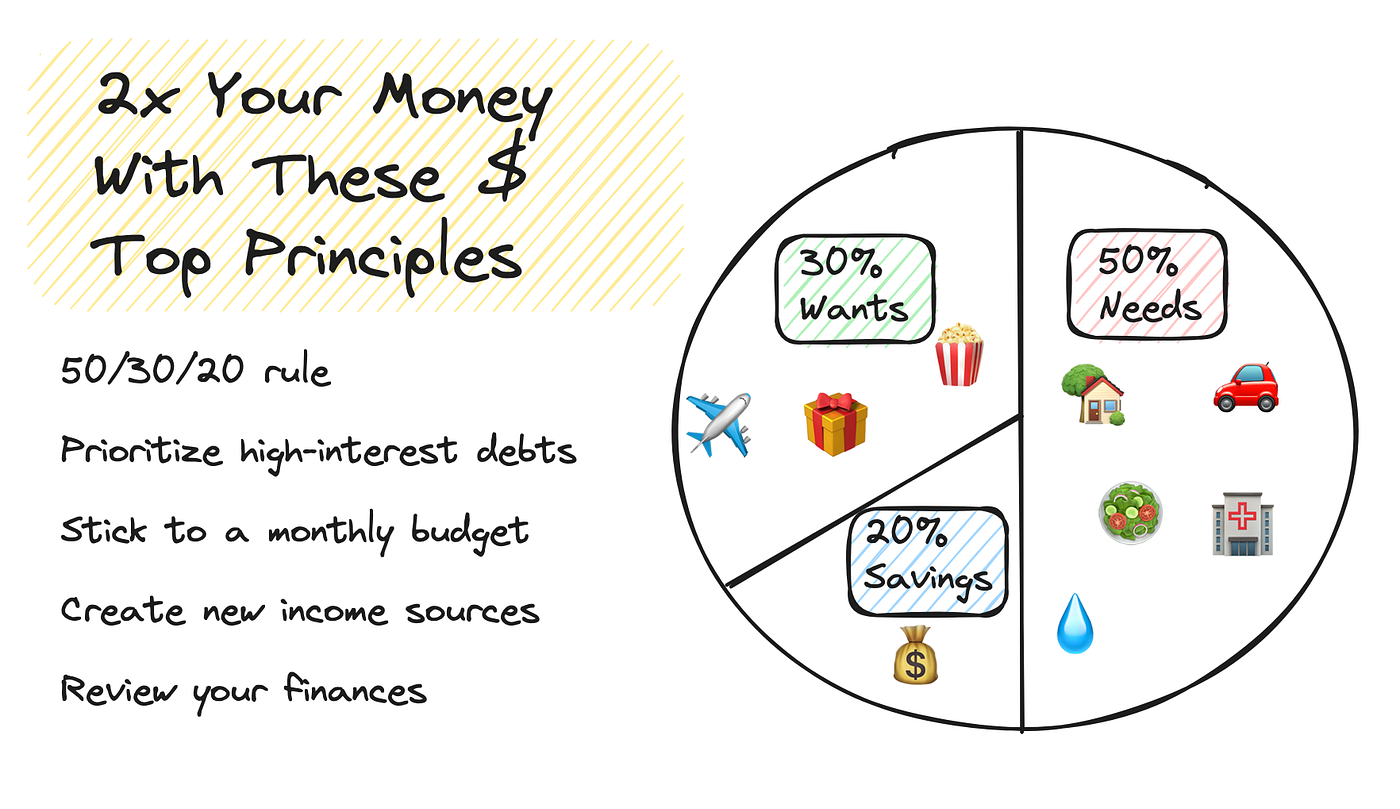
Crafting a cohesive financial structure requires intentional planning and disciplined execution. Many individuals strive for stability but often overlook the foundational principles that shape sustainable progress. By applying well curated strategies and focusing on strong budget ideas, anyone can elevate their financial capabilities and cultivate long term resilience. A strong budget is not merely a document but a functional system that guides choices, supports priorities, and ensures clarity in every monetary decision.
Establishing Clear Financial Purpose
A powerful budget begins with a defined purpose. Individuals must understand why they are budgeting and what outcomes they expect. Some seek relief from financial strain, while others pursue wealth accumulation or lifestyle enhancement. Clarifying this purpose creates direction and reduces the ambiguity that often leads to disorganized habits.
Purpose driven planning helps illuminate spending patterns that drift away from personal values. When individuals align financial actions with specific goals, the budgeting process becomes more intuitive and adaptable. The budget evolves into a tailored blueprint that reflects genuine priorities.
Mapping Income Streams with Precision
Accurate income accounting is crucial for constructing a dependable budget. Whether income is fixed, variable, or composed of multiple streams, all sources should be documented with precision. This mapping creates a transparent overview and prevents miscalculations that may cause overspending.
When individuals understand exactly how much enters their accounts, they make more informed decisions about allocation. Even small supplemental earnings contribute valuable flexibility. Maintaining continuous awareness of income fluctuations strengthens overall financial structure.
Categorizing Expenditures for Greater Control
A strong budget requires meticulous categorization of expenses. Dividing expenditures into necessities, obligations, discretionary categories, recurring costs, and seasonal outlays creates a more comprehensive perspective. These distinctions reveal inefficiencies and highlight opportunities for improved stewardship.
Individuals often discover that seemingly minor expenses accumulate rapidly. By grouping outlays systematically, they develop a heightened sensitivity to waste and can restructure habits with greater intention. Categorization also simplifies future adjustments when circumstances evolve.
Applying Strategic Spending Limits
Limit setting is an essential component of effective budgeting. Without designated boundaries, spending becomes arbitrary and reactive. Strategic limits should reflect personal financial capacity while also respecting long term objectives.
Setting limits often encourages more mindful behaviors. Individuals begin evaluating the true value of each purchase instead of acting impulsively. By maintaining thoughtful restraints, they cultivate habits that reinforce discipline and build long lasting financial strength.
Implementing an Adaptive Savings Routine
Savings represent a core pillar of any strong financial plan. Establishing a consistent savings routine helps prepare for unexpected events and supports long term aspirations. The most effective approach is incremental yet sustained contribution.
An adaptive routine allows adjustments when income fluctuates, ensuring that savings progress continues even during periods of change. Small deposits accumulate into substantial reserves over time, enhancing stability and reducing reliance on credit.
Reducing Financial Leakage Through Vigilant Monitoring
Financial leakage occurs when unnoticed or unnecessary expenses drain resources gradually. Subscription services, inflated utility costs, and overlooked fees often contribute to this hidden erosion. Vigilant monitoring helps identify these silent drains.
Monthly reviews are instrumental in catching financial leakage early. They provide opportunities to cancel unused services, negotiate better rates, or restructure habits to prevent future waste. This heightened awareness fortifies the budget and protects long term resources.
Utilizing Cash Flow Forecasting for Improved Stability
Forecasting future cash flow empowers individuals with foresight. By anticipating upcoming obligations and planned expenditures, financial stress is minimized. Forecasting also allows for strategic preparation when large expenses approach.
This technique transforms budgeting from a reactive process into a forward looking discipline. Individuals can navigate fluctuations more smoothly and maintain a balanced financial rhythm. Predictive planning reinforces confidence when managing both expected and unexpected demands.
Strengthening Discipline Through Regular Checkpoints
Regular checkpoints serve as milestones within the budgeting process. Weekly or biweekly reviews encourage consistency and help maintain alignment with financial objectives. These sessions bring clarity to spending patterns and reveal areas requiring immediate correction.
Checkpoints also help individuals measure progress and maintain motivation. Financial discipline strengthens when individuals hold themselves accountable through documented reviews. The budget becomes a living system, evolving alongside personal and economic changes.
Incorporating Expense Optimization Techniques
Optimization is a refined technique that enhances the efficiency of each dollar spent. This involves seeking cost effective alternatives, comparing service providers, and evaluating price to value ratios. Optimization encourages thoughtful spending and reduces unnecessary financial strain.
Even minor adjustments, such as shifting grocery preferences or renegotiating insurance rates, contribute to substantial long term improvements. Optimization becomes a continuous practice that stabilizes finances and elevates the overall budget.
Building Long Term Resilience Through Consistent Execution
The most powerful budgets are not necessarily the most complex. They are the ones executed with consistency, clarity, and purpose. By adhering to structured practices, monitoring expenditure, and adjusting strategies as needed, individuals strengthen their financial resilience and enhance their capacity to thrive.